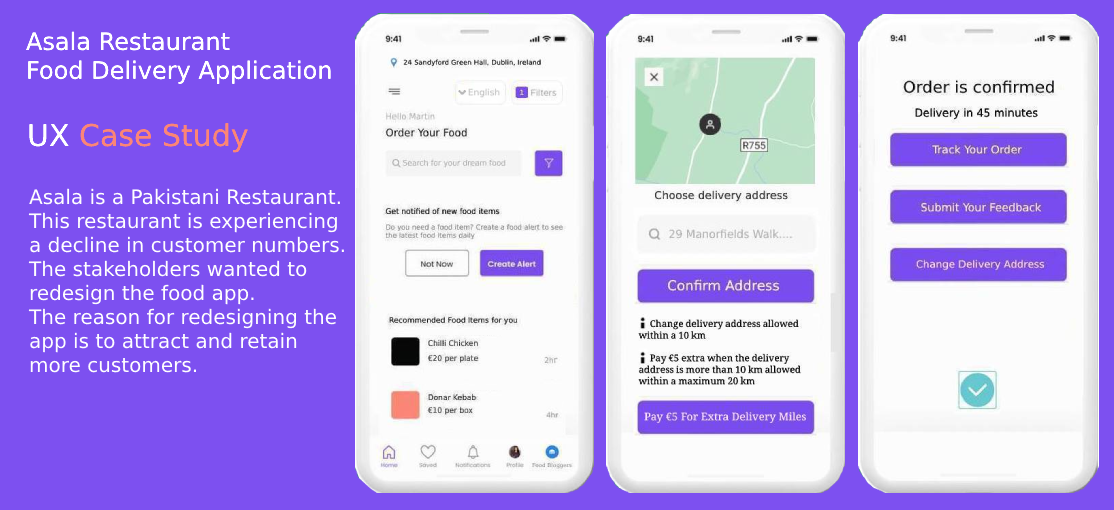
Project Overview
Duration: 3 months
My Role
- UX Designing
- UI Designing
- Website Designing
- Website Development using HTML5, CSS3 and JavaScript
Tools and Programming Used
- Figma
- Miro
- Whimsical
- HTML5, CSS3 and JavaScript
Problem Statement
Asala, a food delivery app, is experiencing a decline in customer numbers, which is impacting its business prospects. The stakeholders recognize the need to redesign the app to expand their customer base and enhance overall performance. The goal of this UX case study is to identify and address the key usability issues and pain points within Asala's online delivery business to attract and retain more customers.
I was designing Minimum Viable Product. It focuses on the solutions in the quickest and more efficient way. I had a very short period in designing and I was only concerned with the main offering. There would be numerous improvement plans after that.
Introduction:
The restaurant Asala offers same-day delivery options for the customers. It also offers flexible delivery hours to suit customers' schedules. A strong customer support team is also on hand to help with any inquiries or problems.
Research: Performing user research to comprehend their issues and finding a solution, as well as gathering feedbacks from current users to identify areas where the existing app needs to be improved.
Goals and objectives: Identifying the aims and objectives of the redesign project, such as enhancing user experience.
| Business Goals | User Goals | Project Goals |
|---|---|---|
|
|
|
Challenges
I found -
- The existing user interface contained only five pages and was not easy as per our research hence users found it difficult to use the platform
- Users are not satisfied on offers and discounts
- Users are unsatisfied with the late delivery time
- Cancelation of orders and the refund processing time is taking longer
- Users suspect that online foods are unhealthy
- The food ordering application is not easy to use. Some users have lost interest in the search option because they are not sure what they will search
- Some customers who are not well familiar with the English language feel that the apps are text-heavy
Creative Process
Designed and developed the food order app which was helpful for the users followed by the 5D design process.

Research
Goal of the research
Getting the necessary food goods to people's doorsteps is my dream job.
How to accomplish it:
- Taking away the suffering caused by a busy lifestyle and
- Improving the process of food delivery with data.
- Encourage a positive atmosphere that works to give clients the greatest possible experience.
With the project idea established, I looked into food delivery applications online, which helped me to gain a better understanding of the available food delivery apps. I listed the main features of each applications and studied user reviews to identify problems and desired features. I created the interview questions using this data, and revisited them when deciding on workflow and design.
Research Strategy
In this study, both Quantitative and Qualitative methods are being used.
The attitudes, behaviors, and views of users are investigated in qualitative research. It offers important information to understand the background of why trends and patterns arise.
In this study, user interviews and customer calls were used as qualitative approaches.
Identifying Users
Participants in this study are those who order food through an app, a phone, or a website as well as who have faced both positive and negative experiences during ordering food online.
User Interviews
User interview is the best way to understand the needs and motivation of the people. I have interviewed 14 working professionals aged between 20 to 30 years, who had ordered food online in the past two to five years.
I spoke with users to get information on the following:
- When, why, and how frequently do people order food online?
- Their personal experience with a certain food delivery service.
- How do users order food with an app?
The users have shared both positive and negative experiences. I have mainly focussed on negative experiences and have considered these as pain points.
The responses of the users are as follows:
- Two users have stated that they don't prefer to order online because they faced late delivery problems multiple times.
- Two users have stated that they don't prefer purchasing food online because of poor food quality and taste.
- One user has stated that she thinks about it before purchasing online as she feels that the food items are expensive.
- One user has stated that her order was cancelled twice as the items were not available in the restaurant and the food was delivered to the wrong address mistakenly. Refunding money took one week for her.
- One user has stated that he is not comfortable with the English language. He avoids purchasing foods online as the language-changing options are available in a few apps but in some apps this is missing.
- Three users have stated that they don’t like to use food order applications as these are difficult to use and they have lost interest in the search option because they are not sure what they will search for.
- Four users have stated that they love taking home-made foods as online foods are unhealthy.
Competitive Analysis Report
I have done competitive analysis to identify the common UX pattern and business strategy. It has also helped me to determine the direction of development. I checked some existing food delivery apps before moving to the solutions. I have checked these apps and gone through the customer reviews. This competitive analysis has helped me to find the drawbacks in the existing applications as well as to find the new opportunities for a good user experience.
| Features/Apps |  |
 |
 |
 |
 |
 |
 |
|---|---|---|---|---|---|---|---|
| Offers & Coupons |

|
|

|
|
|
|
|
| Regular Offer |
|

|
|
|
|
|
|
| Category Search |
|
|
|
|
|
|
|
| Real Time Tracking |
|
|
|
|
|
|
|
| Filtering |
|
|
|
|
|
|
|
| Language Translation |
|
|
|
|
|
|
|
| Audio Version for Menu |
|
|
|
|
|
|
|
| Accessibility Features |
|
|
|
|
|
|
|
Pain Points
From the foundational research phase, I have identified the below pain points:
- 1. Late Delivery
- 2. Difficult to use
- 3. Expensive
- 4. Cancellation problem
- 5. Language barrier
- 6. Unhealthy
| Research Insights | Visual Design Solutions |
|---|---|
|
Pain Point: Late Delivery
|
|
|
Pain Point: Difficult to use
|
|
|
Pain Point: Expensive
|
|
|
Pain Point: Cancellation problem
|
|
|
Pain Point: Language barrier
|
|
|
Pain Point: Unhealthy
|
|
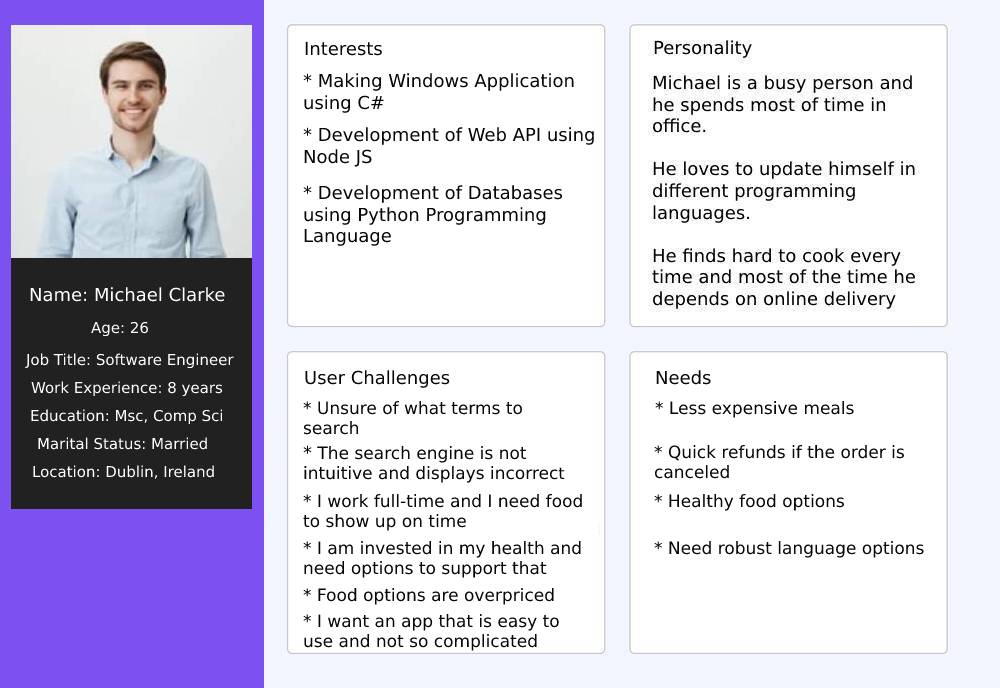
User Persona
I have created a user persona based on the foundational research whose frustrations and goals represent the needs of the users.
Define
The define phase is to understand the User Needs, User Problems, and User Behaviors from the usage of food order apps.
Recruiting
I screened 14 participants or users and I arranged the screening questions to select the participants.
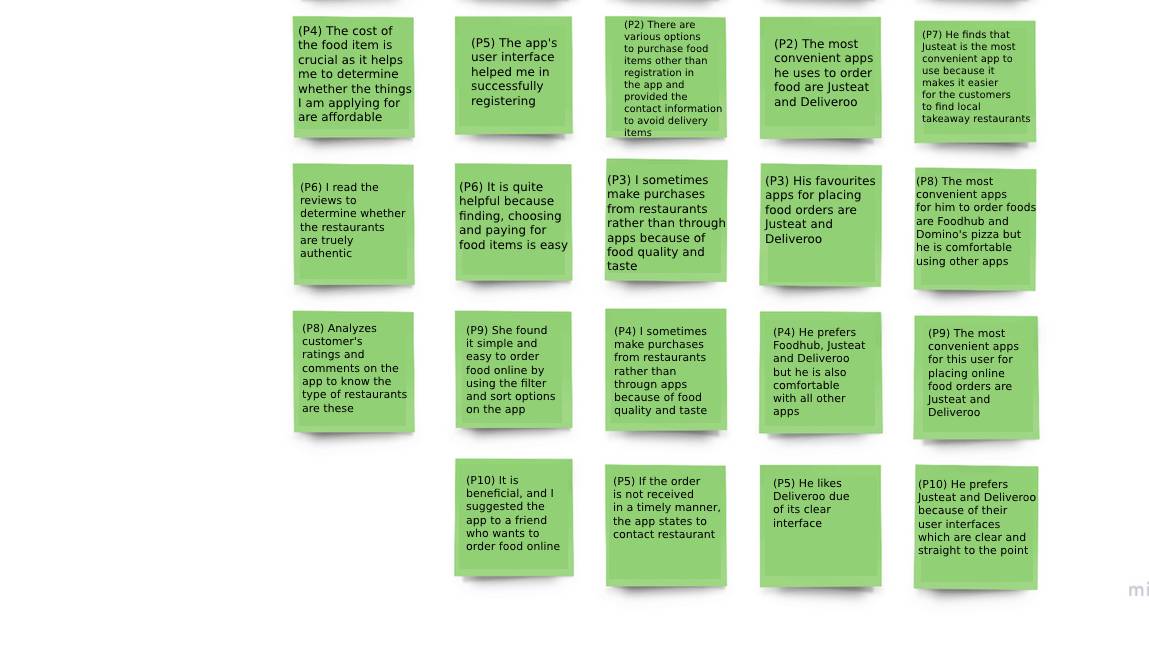
Affinity Map
An affinity map is used in this application to research more on problem statements by combining the user ideas into a natural relationship example; the frustrations and experiences the people face using food order applications, the food apps as well as sites the users are more comfortable with, etc...
I developed an affinity diagram to arrange the data and ideas collected from the interview. Examining and synthesizing the user research findings by patterns and themes.
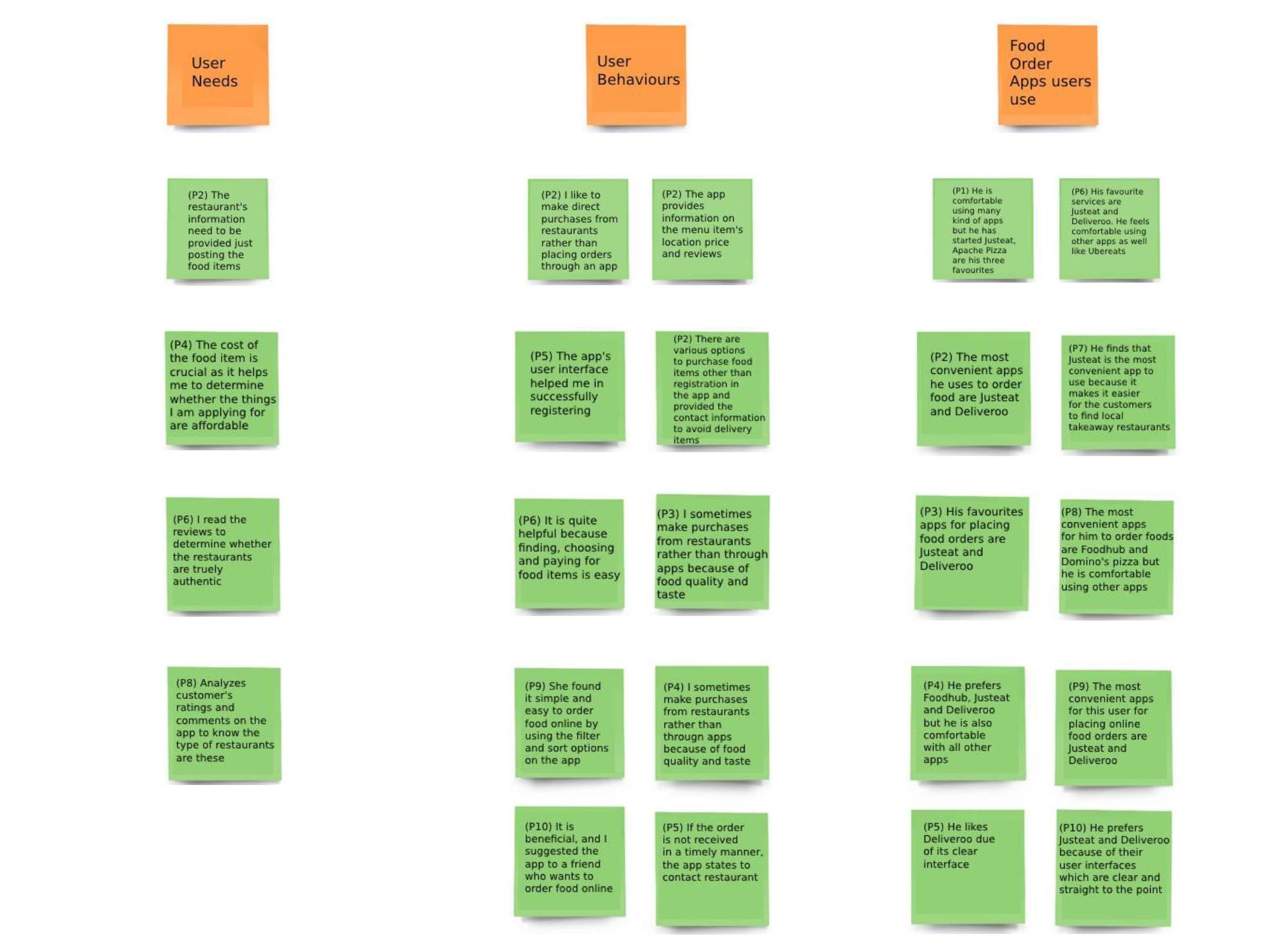
Affinity Map drawn by Miro Tool
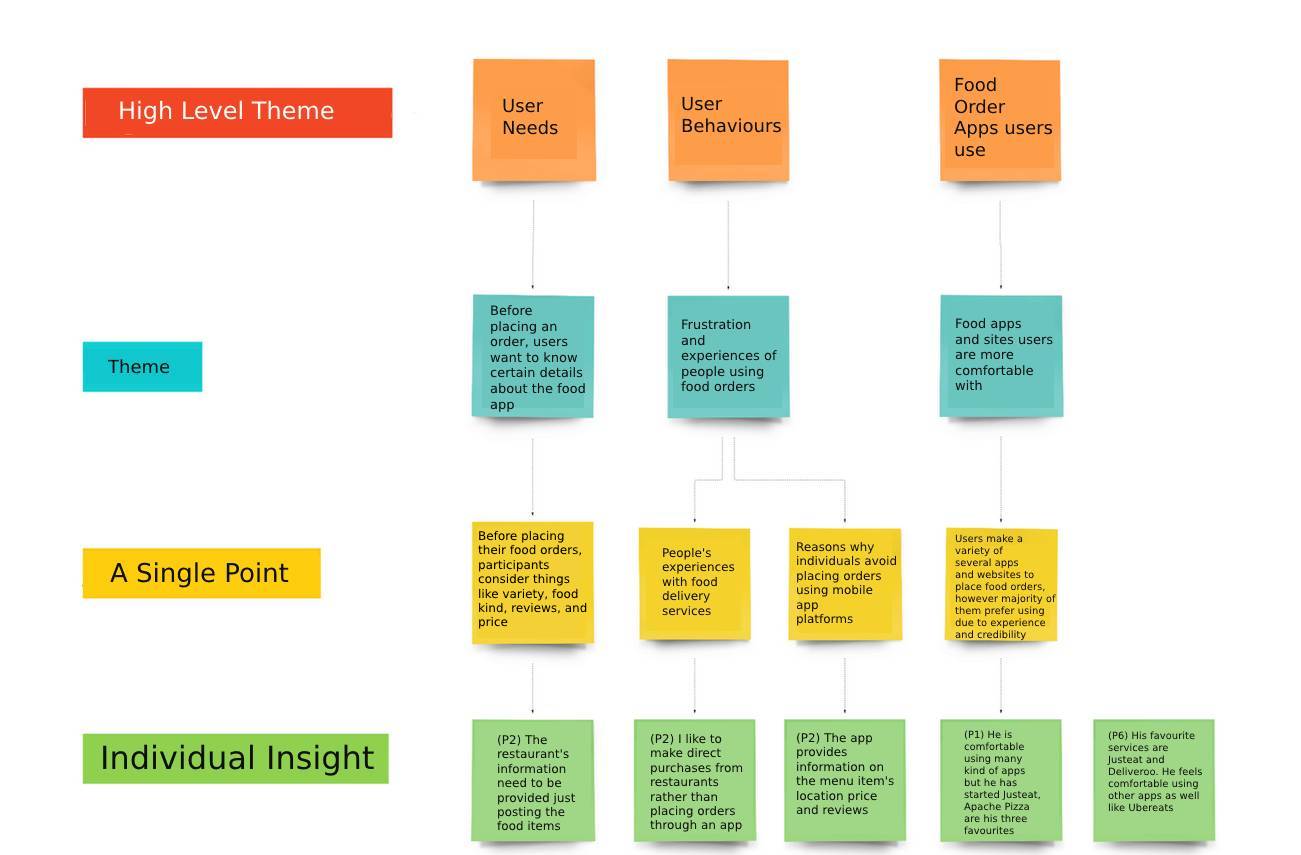
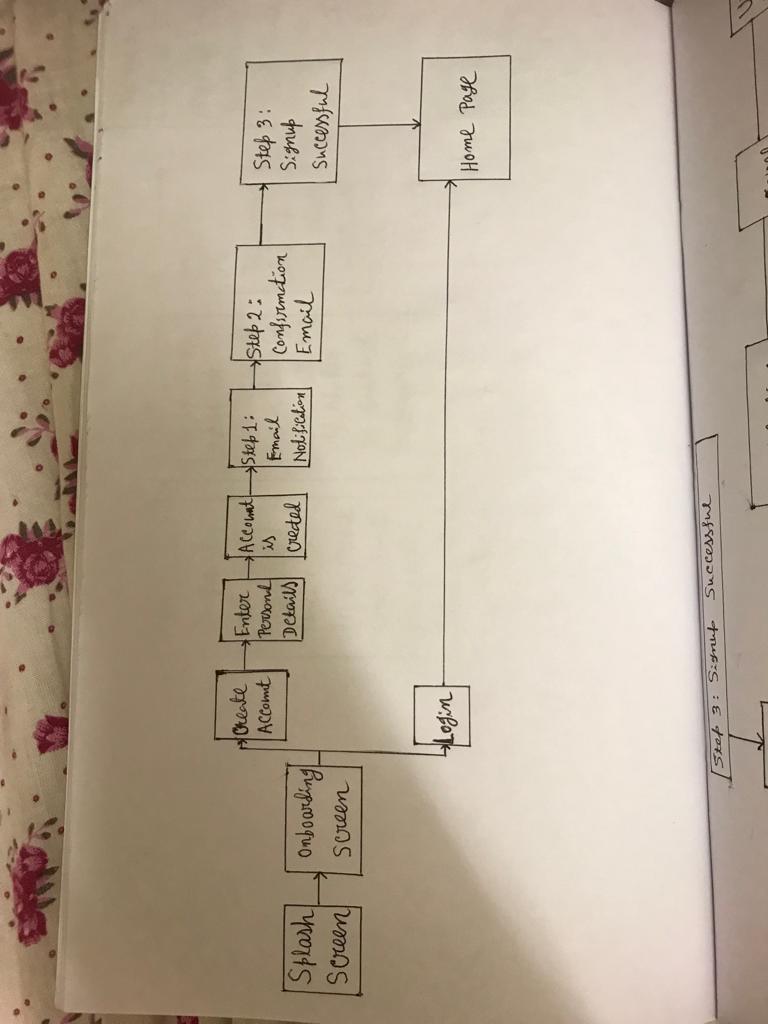
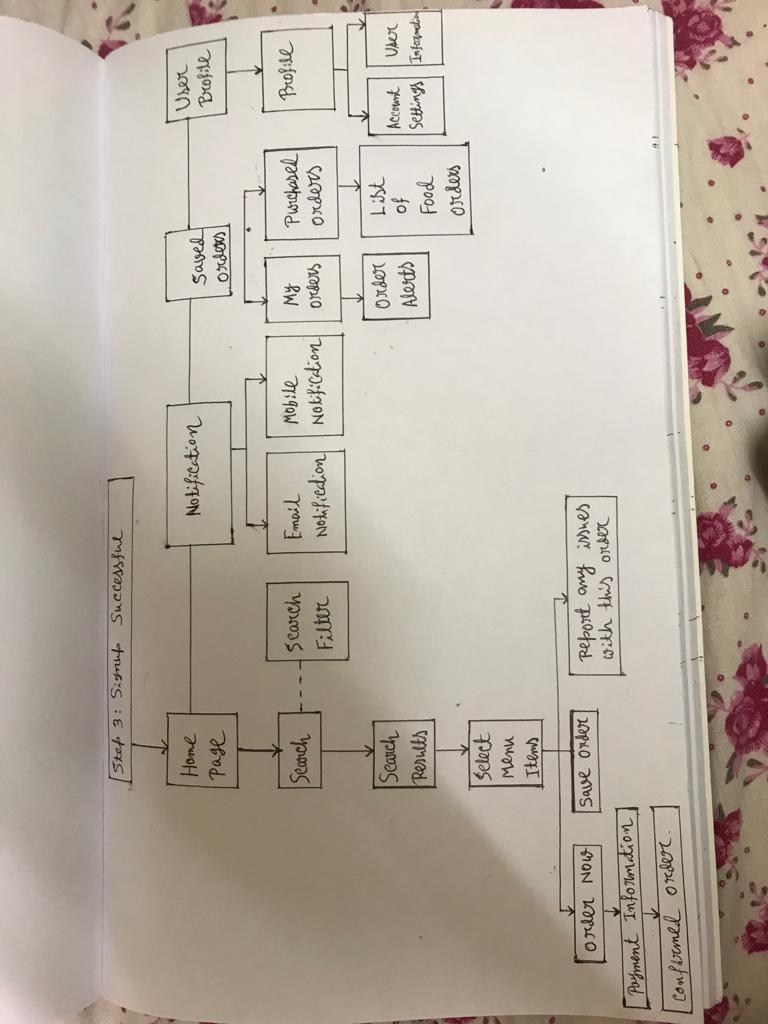
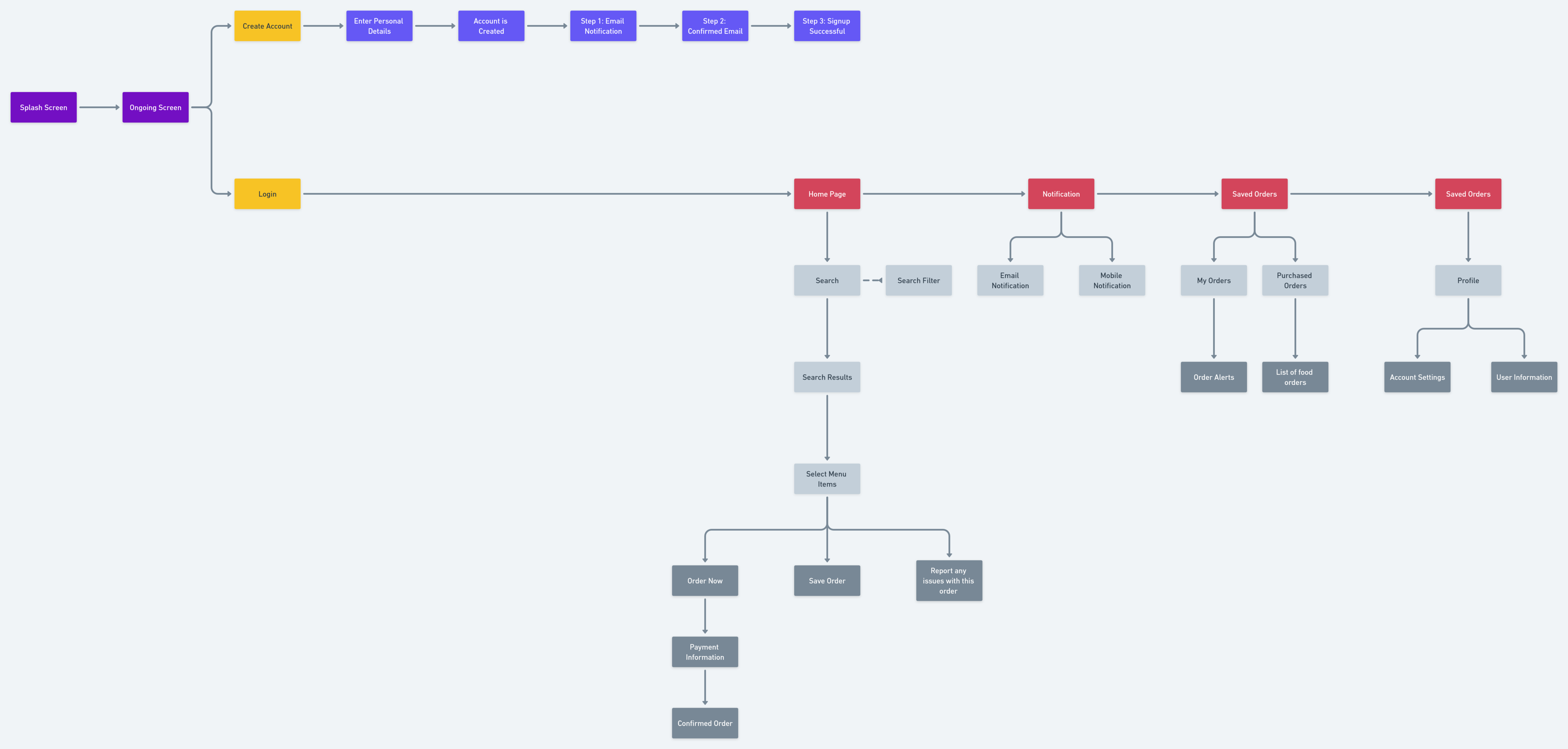
Creating a User Flow
A flow that shows how the user will use the application and it was made using Whimsical Tool.
Tool Used: Whimsical
Design
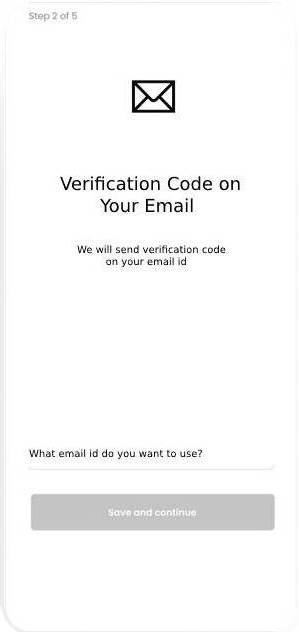
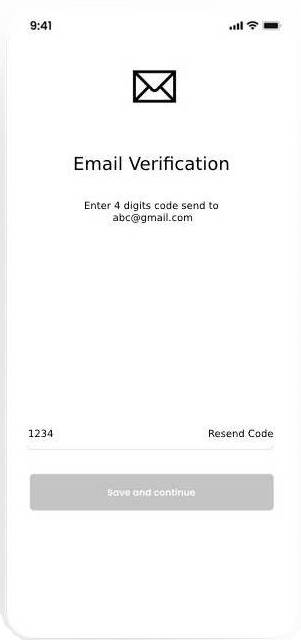
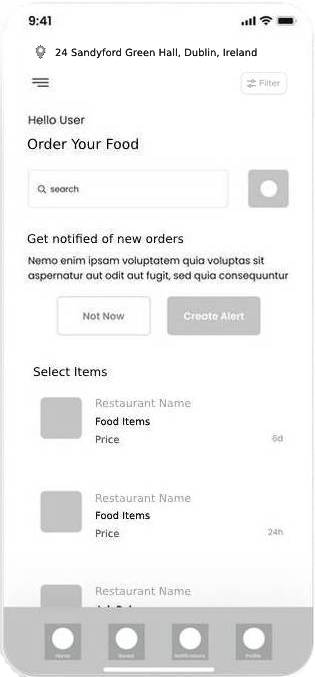
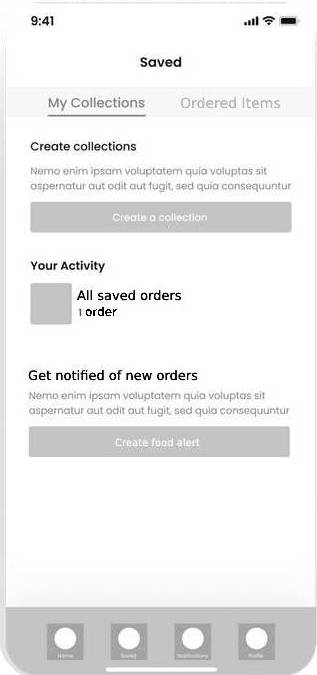
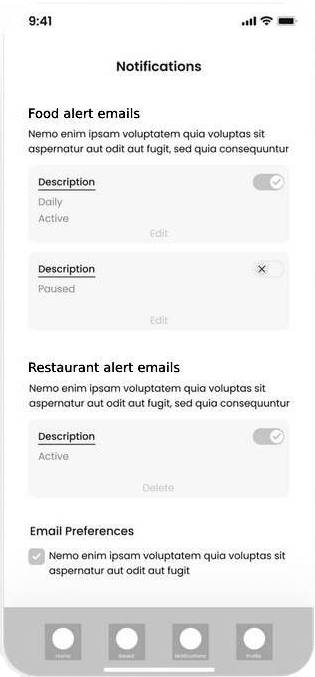
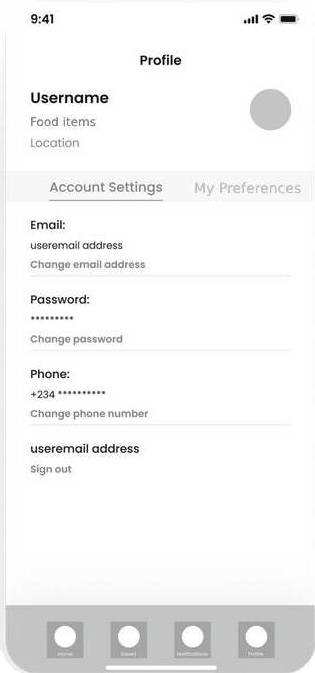
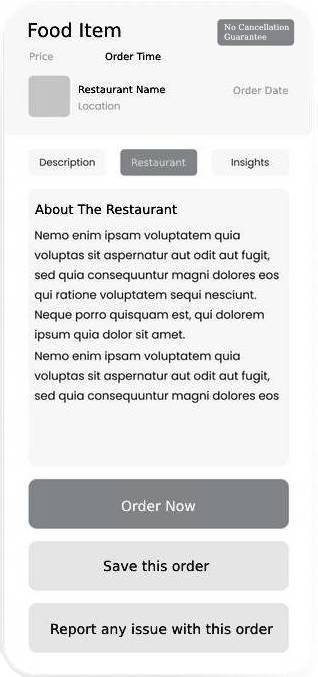
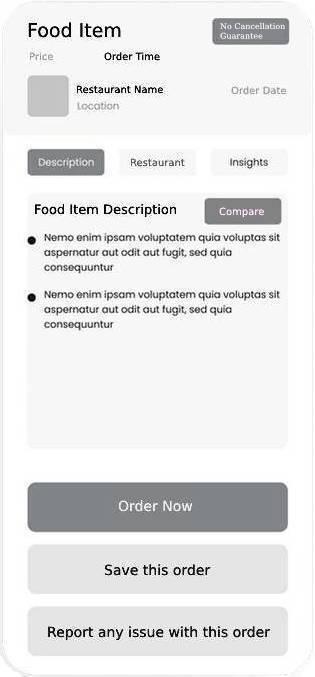
Wireframes are used to confirm the app's content layout after the information architect, requirements were established.
Low Fidelity
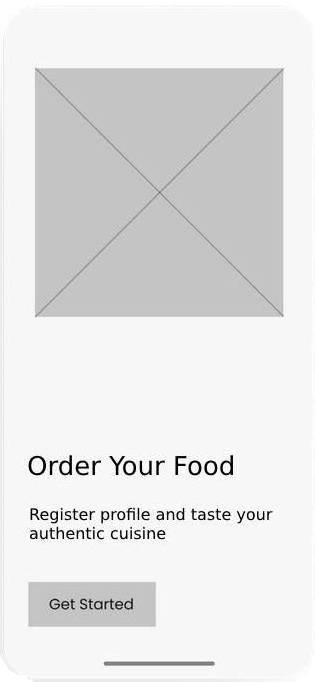
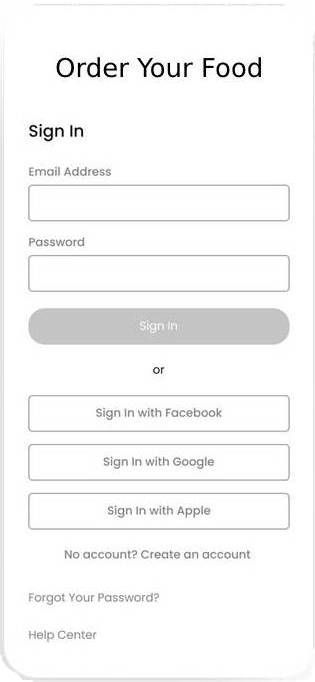
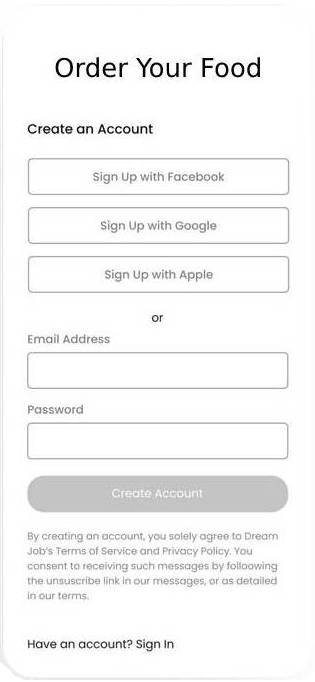
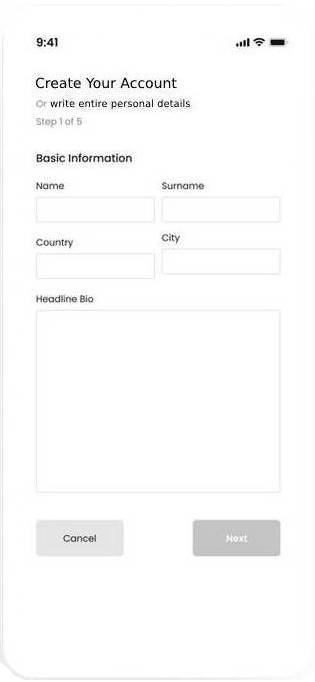
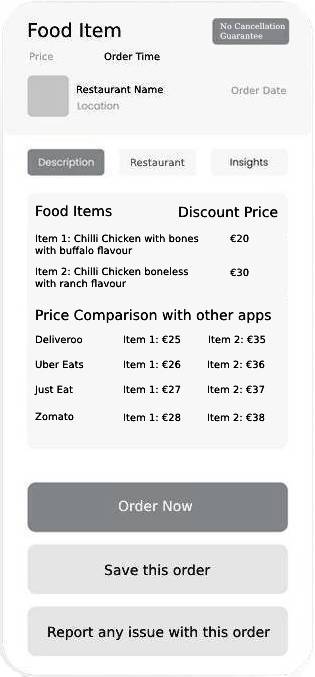
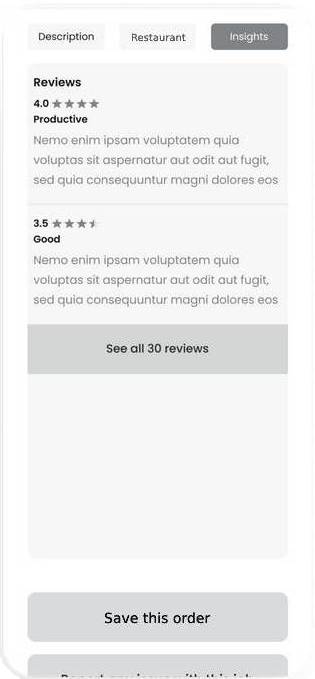
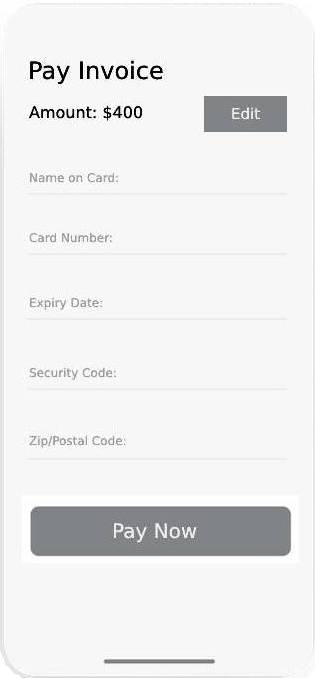
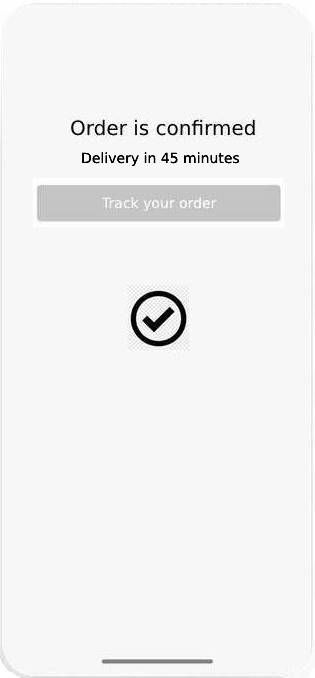
I created a low fidelity interactive wireframes

Low-Fi Usability Testing
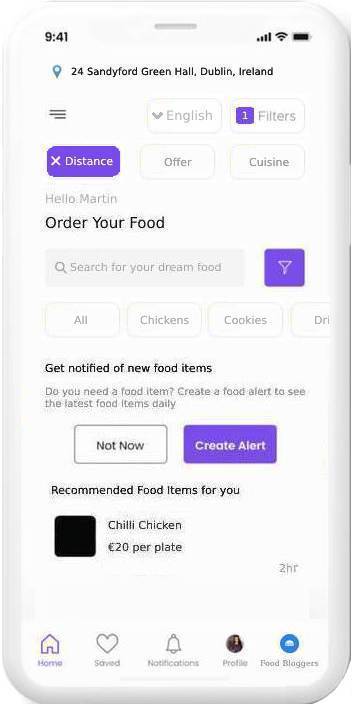
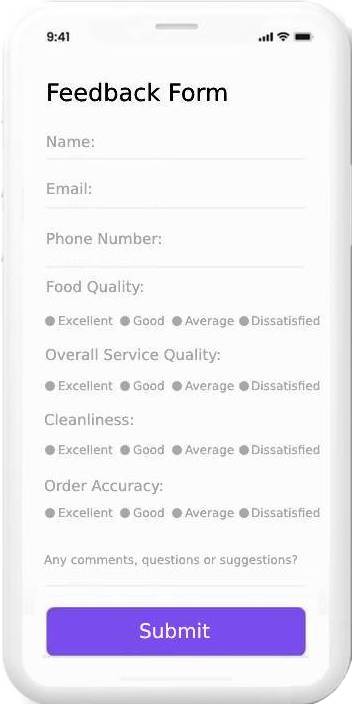
Using Zoom and Lookback, I conducted four testing sessions with potential users. But I observed that the users were not satisfied fully and they wanted to include a feedback form, they wanted to filter based on distance,offer and cuisine type, pure veg options, non-veg options.
Hi-Fi Design
I applied the feedback form in High-fidelity design. I used Dribble and Behance to find design ideas before beginning to create my high-fidelity screens.I gave full-fidelity treatments to my wireframes. To ensure accessibility and identify any other issues, the prototype went through usability testing.
Usability Testing
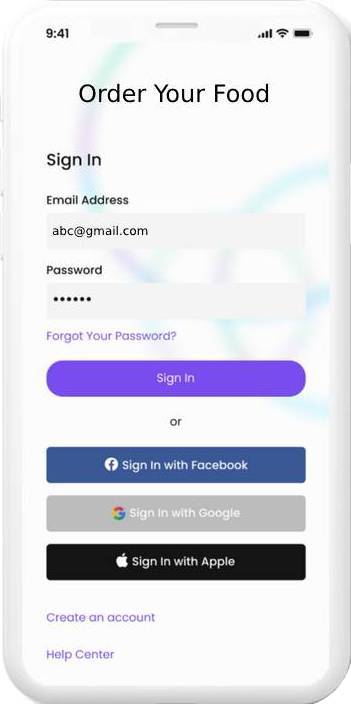
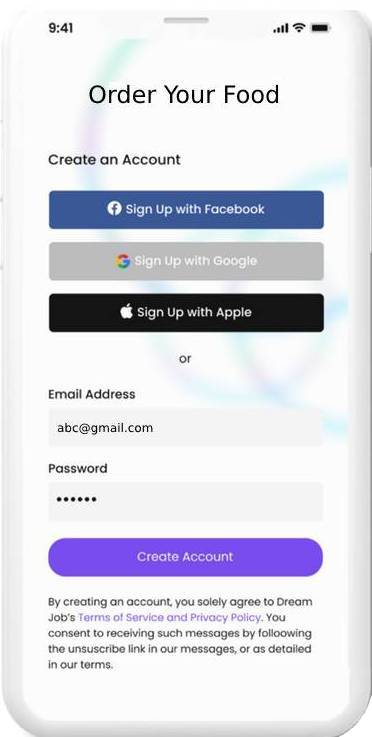
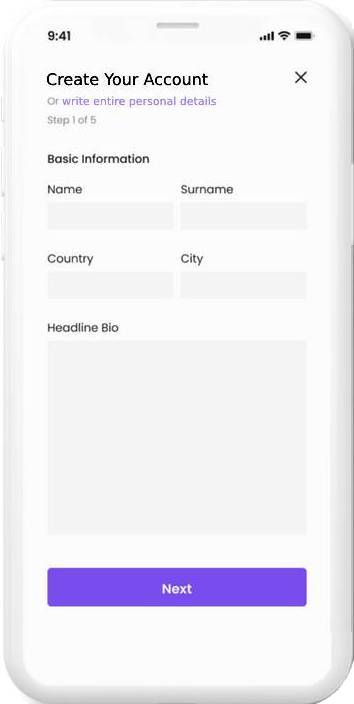
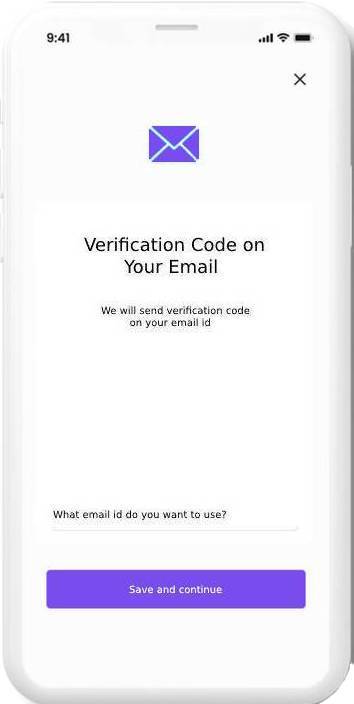
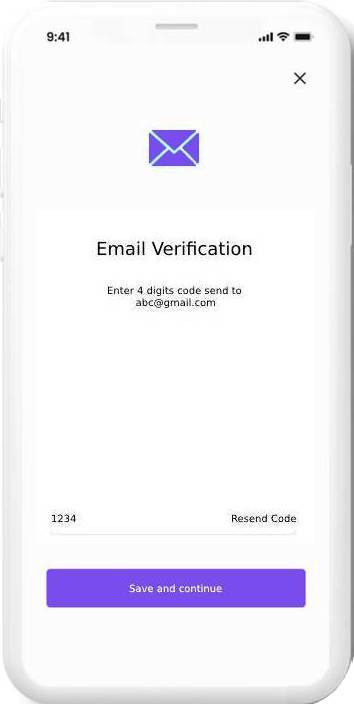
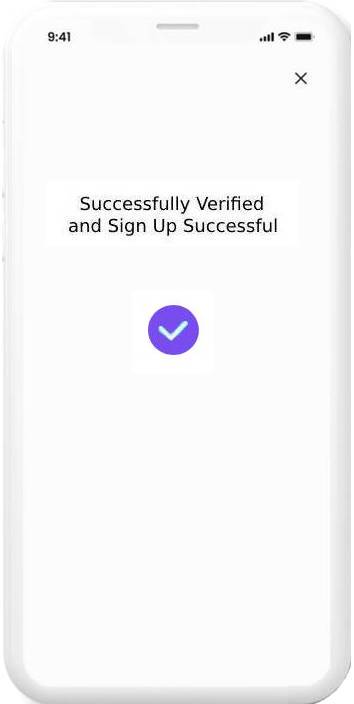
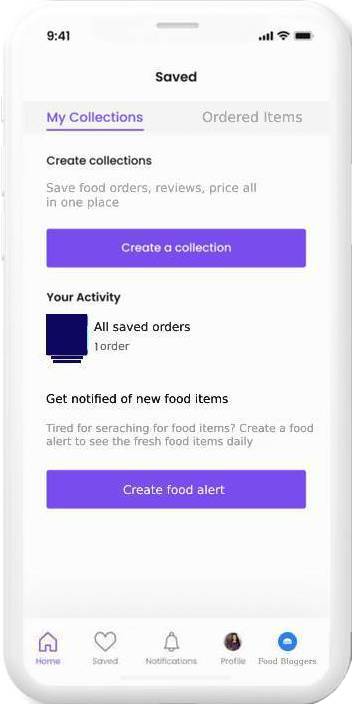
I added some screens based on user feedback.To prevent confusion, users shouldn't be able to access the menu button unless they have signed up for or authenticated into the application. I iterated on my high-fidelity designs in Figma after receiving feedback and comments.
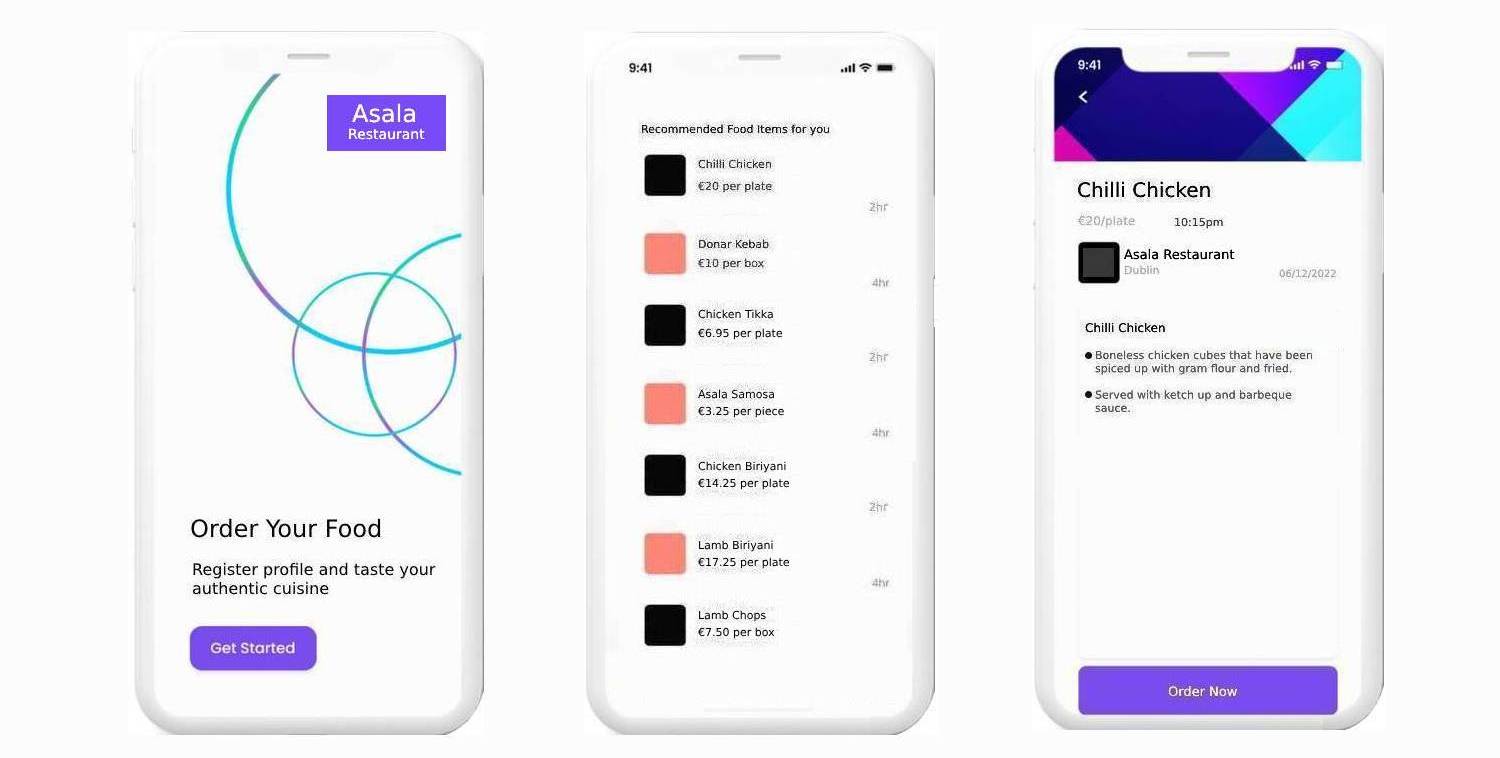
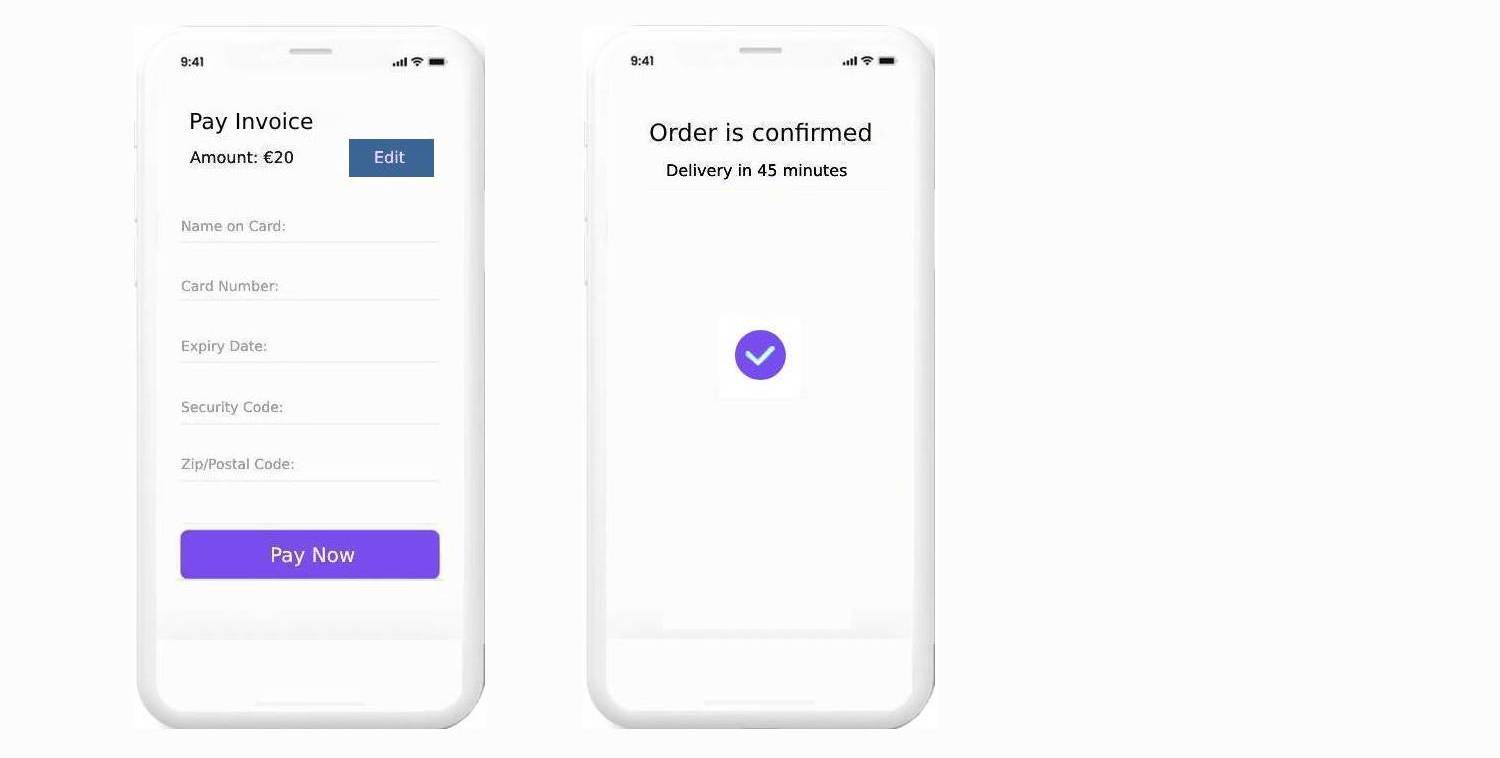
Previous Application Screenshot
Difficult to Use
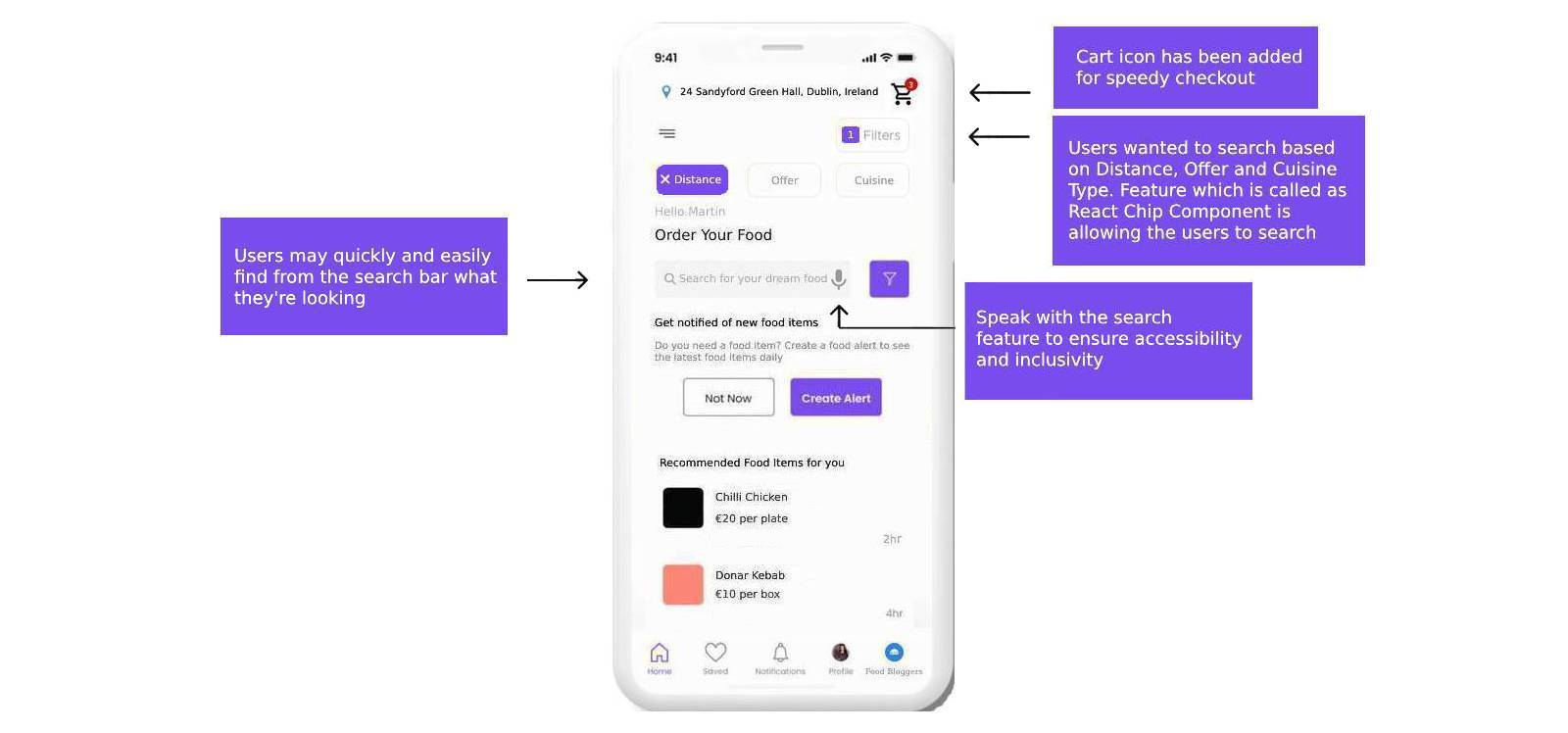
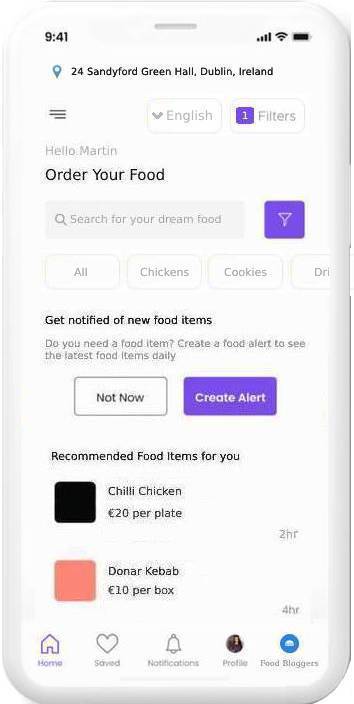
The users may input the texts on a search bar, and also speak on the search bar to get the users relevant information. Some of the additional features are the cart button and search based on keywords such as Distance, Offer, and Cuisine Type.
Option Bar
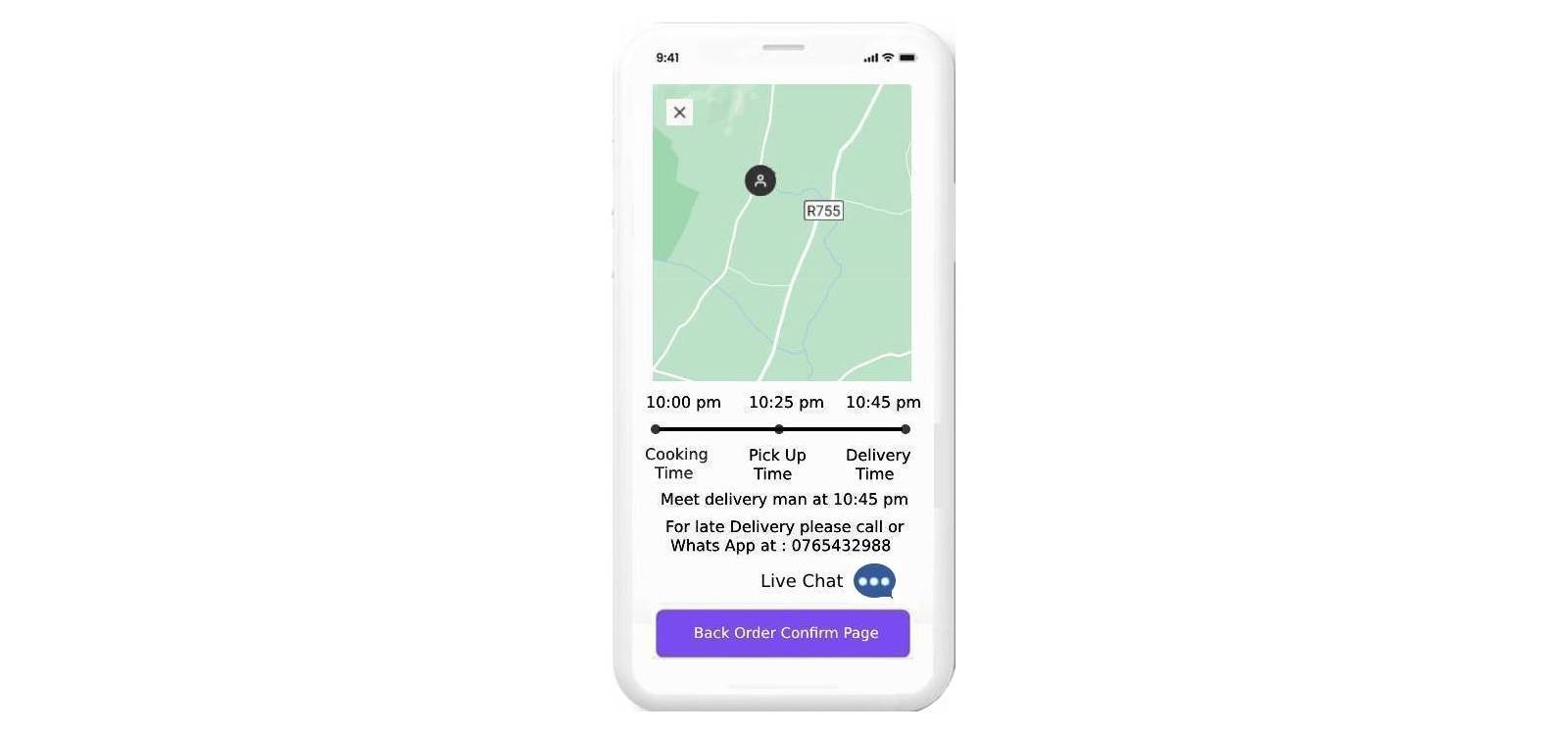
Late Delivery
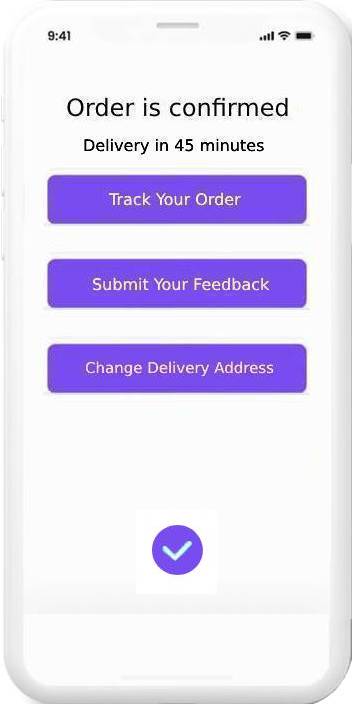
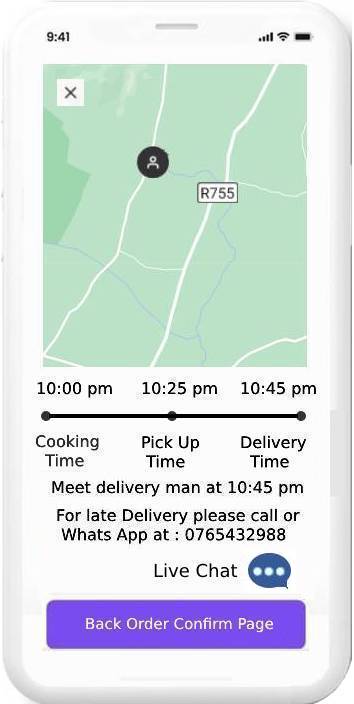
Delivery timings of different apps will be compared enough for decision making. The delivery feature in the app will help the customers to clearly understand the amount of time taking for the cooking, pick up, and delivery.
I spoke with the managers of several restaurants to get information on the following:
1) At which time does the chefs in your restaurant start cooking once you receive an order from the customers?
Answers: Most of the managers said that it takes 5 to 15 minutes.
2) When the delivery driver comes and pick up the foods to deliver the foods to the customer's doorsteps?
Answers: Most of the managers said that it takes 15 to 25 minutes.
Result
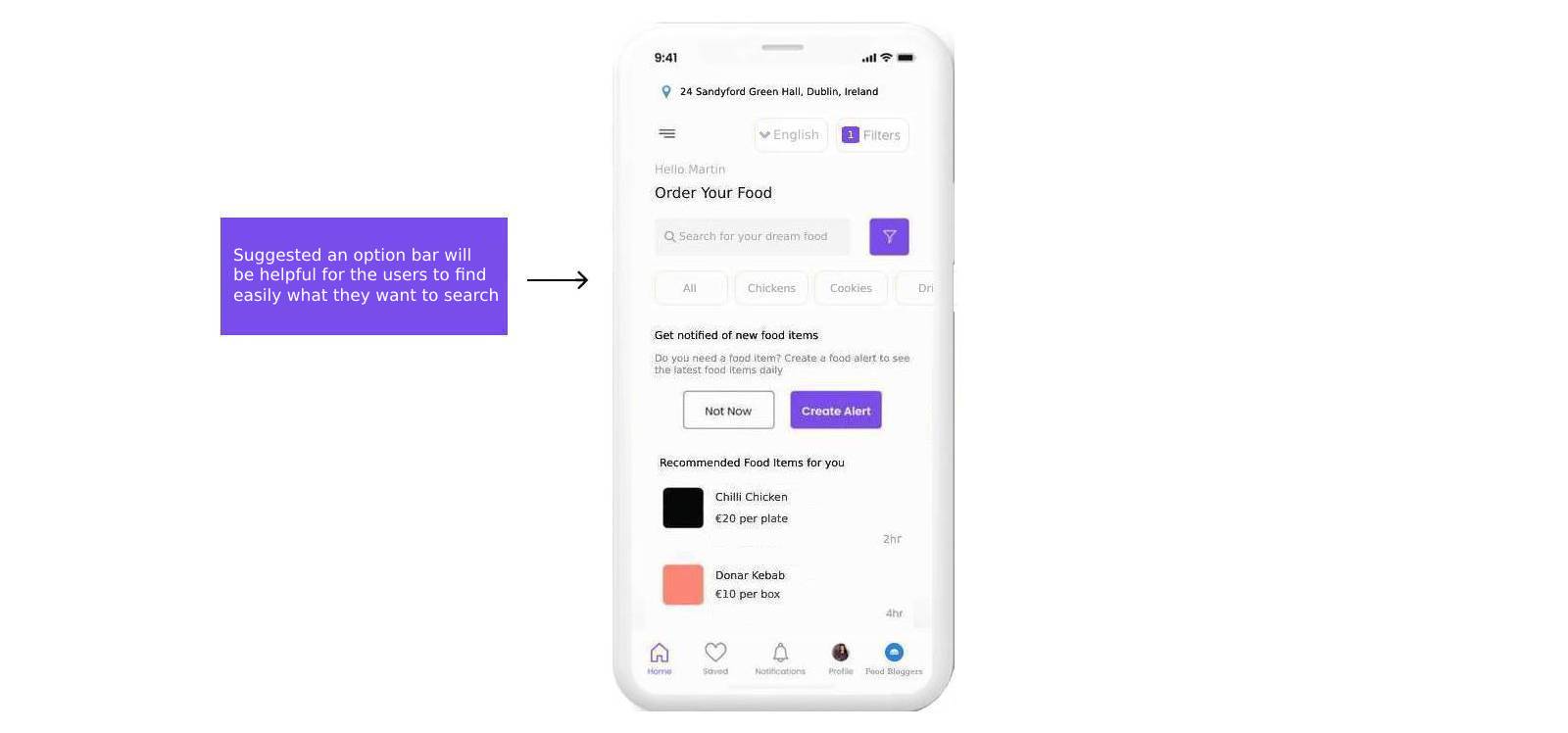
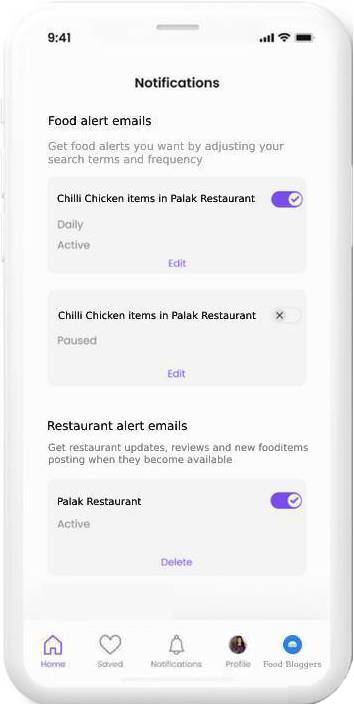
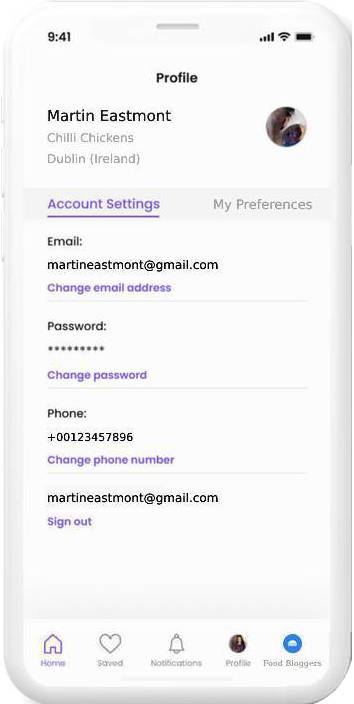
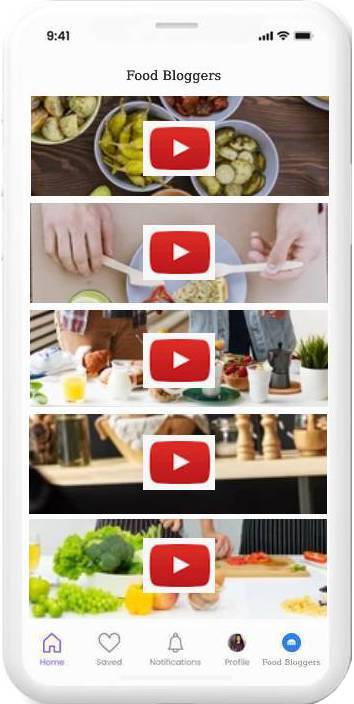
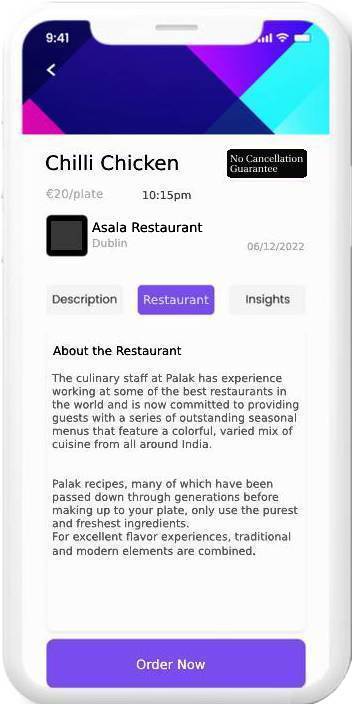
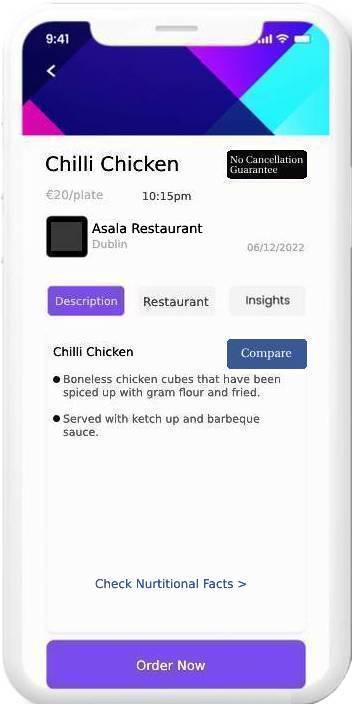
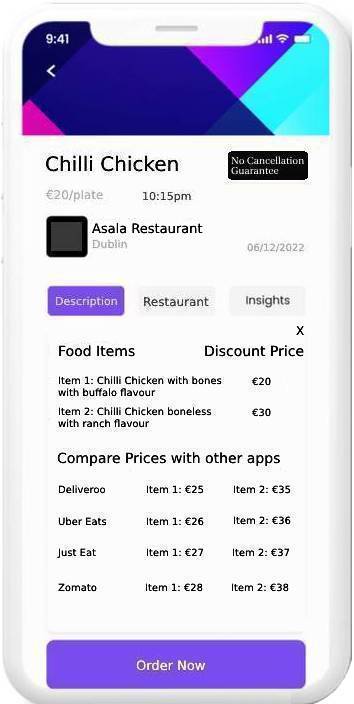
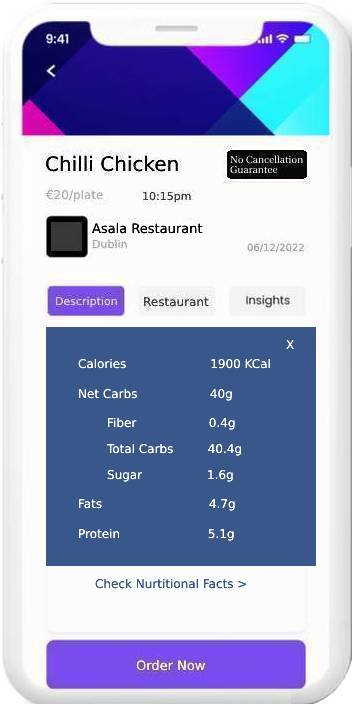
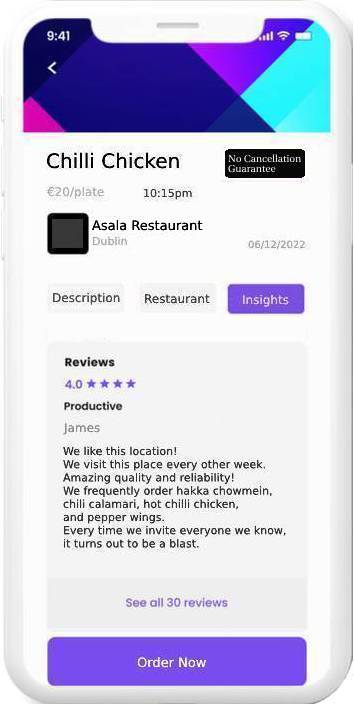
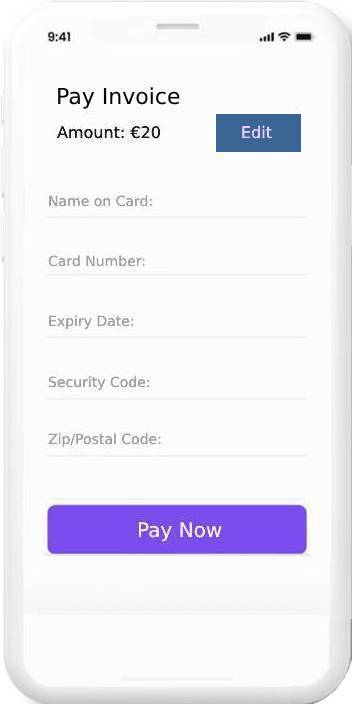
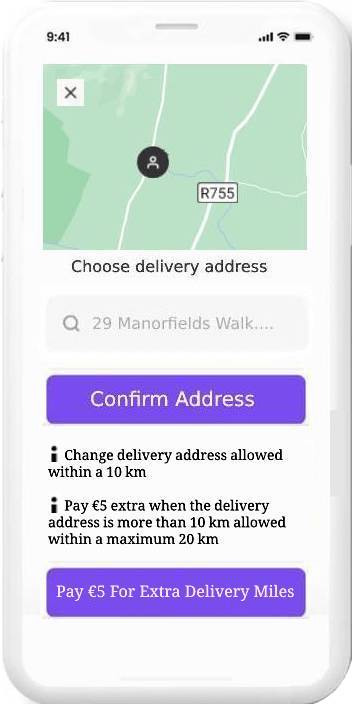
After the research I implemented Tracker which was helpful for the users to understand the delivery will not be late and cancelled. I added one option bar which helped the users to search what they are exactly looking for. I have added a nutritional tracker to help the users to measure how much calories they are eating. I have added a dropdown option where the users will be able to change the language. I have created a Level to alert users that the app has no cancellation policy. I have added a price comparison button to compare the prices of other food delivery apps.
As the time was short that is why I was unable to go ahead for the usability testing which could be helpful to complete task achievement.